
Koala Facts
Facts about South Australian Koalas
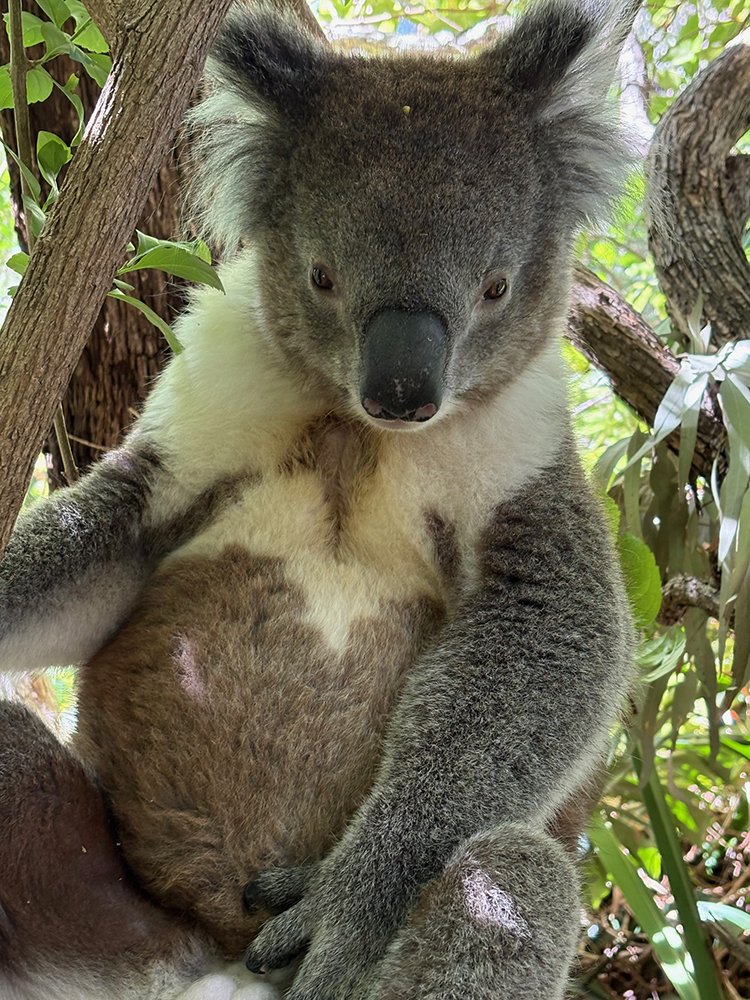
South Australian and Victorian koalas are larger than their counterparts in Queensland, New South Wales, and the ACT. Their fur is longer and darker, helping them stay warm during the regions’ colder seasons.
Tree Dwellers
Koalas are arboreal marsupials, meaning they spend most of their lives in trees. Their physical traits are perfectly adapted for this lifestyle:
- Limbs and Claws: Koalas have long, muscular limbs and sharp claws that help them grip tree trunks securely.
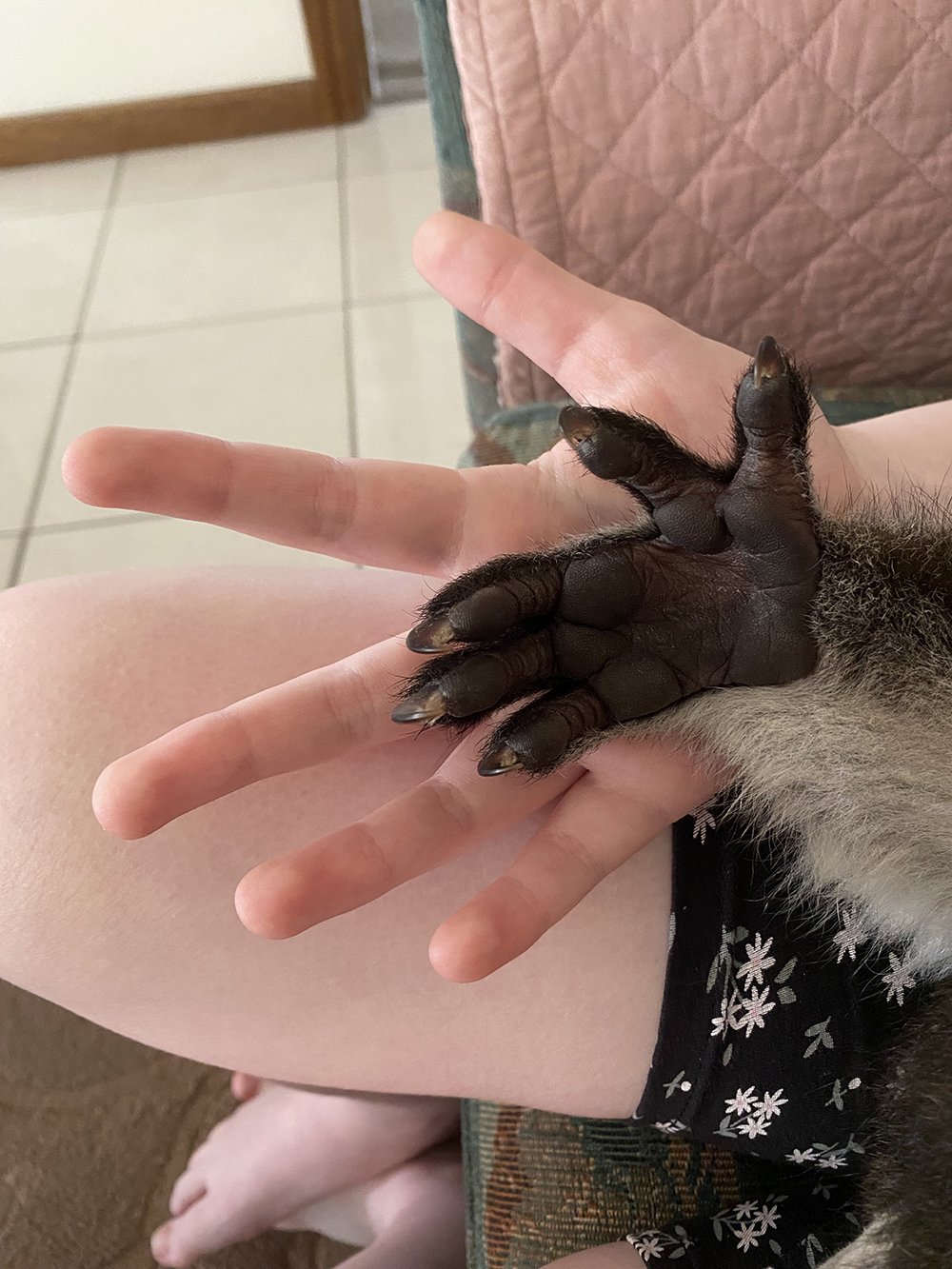
- Opposable Thumbs: Their front paws each have five digits, including two opposable thumbs, enhancing their grip on tree branches.
- Thick Fur: Koalas have a thicker coat of fur on their rumps, which acts as a cushion when sitting on branches.
Feeding Habits
- Eucalyptus Leaves: Although eucalyptus leaves are toxic to most animals, koalas have a specially adapted digestive system that allows them to detoxify the leaves.
- Scent and Taste: Koalas have an excellent sense of smell, which they use to assess the toxicity and water content of leaves before eating.
- Selective Diet: While there are over 800 species of eucalyptus trees, koalas are selective eaters, choosing to consume only about 20 species.
- Nutritional Content: Eucalyptus leaves are high in fibre but low in nutritional value. It takes koalas up to a week to digest the leaves fully. To conserve energy, koalas sleep for 18 to 20 hours per day.
- Supplementary Diet: Occasionally, koalas will eat bark, dirt, or lichen to supplement their diet with additional nutrients not found in eucalyptus leaves.
- Nocturnal Feeder: As nocturnal creatures, they tend to do most of their feeding at night.
Adult Facts
- Solitary Nature: Koalas are generally solitary animals. Each home range is typically occupied by an alpha male, who shares the area with several female koalas.
- Unique Features: Koalas have some fascinating characteristics, including unique fingerprints, similar to humans. They also have distinct pink and black colour patterns around their nostrils, specific to each koala.
- Longevity: Koalas typically survive in the wild for 10 to 15 years.
Males
- Vocalisations: Male koalas possess an extra set of vocal cords, which allow them to produce a deep, bellowing sound. This vocalisation helps attract females and indicates their presence to other males.
- Scent Glands: Males have a large scent gland running down the middle of their chest. To communicate territorial boundaries, males rub their chest against trees, leaving behind scent marks for other males with overlapping home ranges.
Females
- Pouch: Female koalas have a backward-facing pouch that protects their young while they move between trees.
- Chest: They typically have a white chest.
- Size: Adult females are generally smaller than their male counterparts.

Joey Facts
- Gestation: The koala’s gestation period is approximately 35 days.
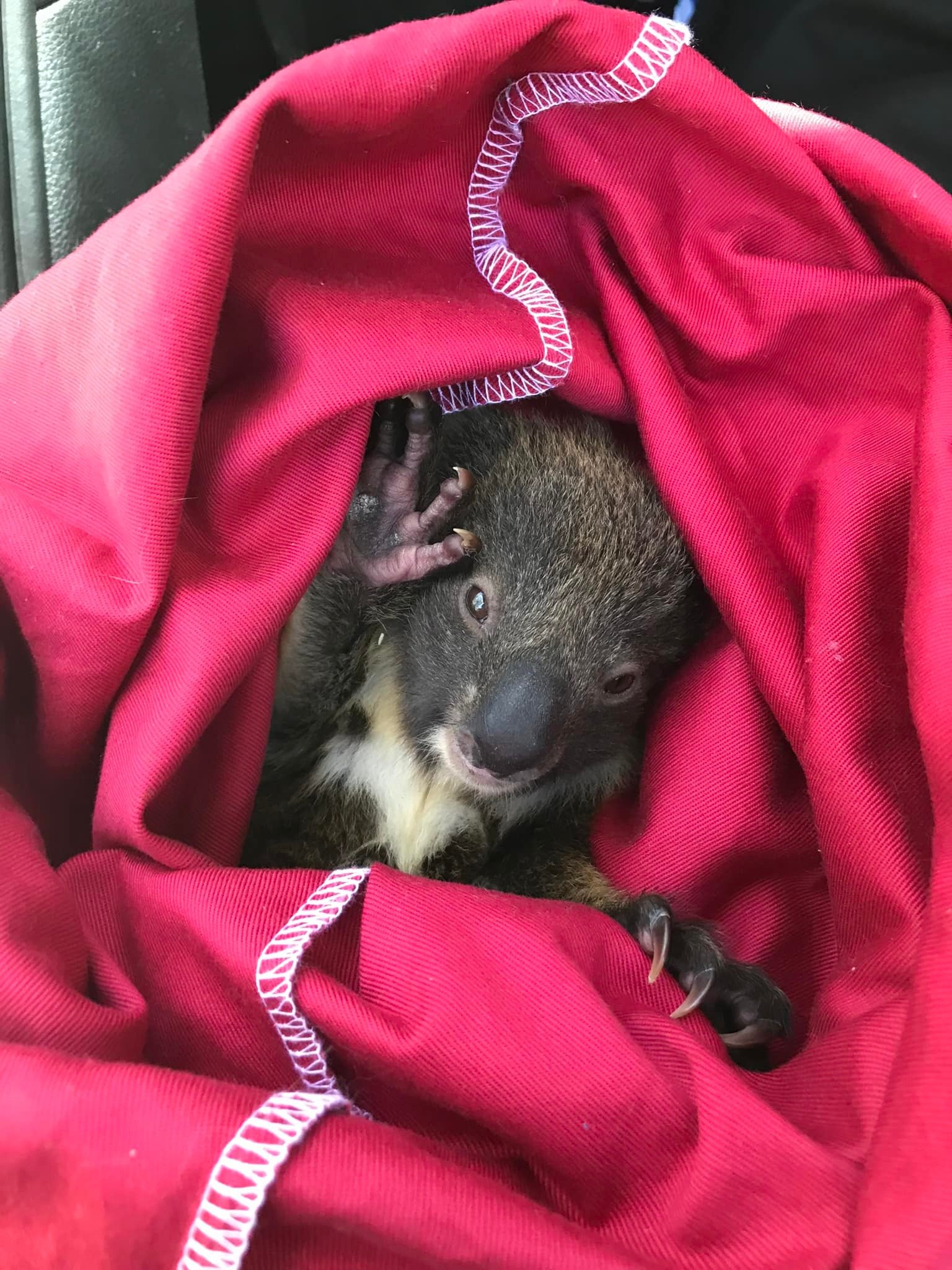
- Newborn Development: Upon birth, the tiny joey (‘pinkie’) is hairless, blind, and extremely underdeveloped. It immediately makes its way from the birth canal into its mother’s pouch.
- Feeding: Inside the pouch, the joey attaches to one of the mother’s two teats, which swells in its mouth. The joey feeds on milk for the first few months.
- Transition to Solid Food: Around five months of age, the joey begins to eat pap—a special faecal matter produced by the mother. Pap contains essential bacteria and enzymes that help the joey’s digestive system adapt to eucalyptus leaves.
- Independence: As the joey grows, it becomes more independent, gradually spending more time away from its mother until it can survive on its own, at approximately 12 to 15 months of aged.
- Maturity: Koalas typically reach sexual maturity at around 3 to 4 years of age.
If you notice an injury or are concerned about the koala’s condition or behaviour, please call:
KOALA RESCUE Inc
0474 RESCUE (0474 737 283)
Want to Adopt a Koala?
Adopt a koala today—either for yourself or as a special gift for an animal lover—and make a real difference! Your support will help KOALA RESCUE Inc care for koalas through the growing challenges they face.
You can also support us by Making a Donation to KOALA RESCUE Inc or by giving someone a Gift Certificate.